Structural Steel Painting in Irving, TX
Corrosion protection for exposed steel frames.
Technical
Specifications.
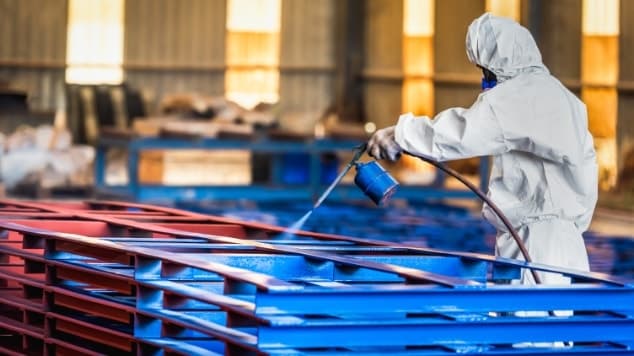
Commercial Painting Contractors Irving provides specialized structural steel painting and corrosion protection services for commercial, industrial, and institutional facilities throughout the Dallas-Fort Worth metroplex. Our industrial coating teams bring deep expertise in protecting exposed steel members from the corrosive forces that threaten structural integrity—including moisture exposure, chemical atmospheres, thermal cycling, and environmental degradation. We've coated thousands of tons of structural steel throughout Irving's industrial corridors, manufacturing facilities, parking structures, and commercial developments, delivering multi-layer protective systems that prevent costly corrosion damage while meeting aesthetic and safety requirements. From pre-engineered metal buildings and exposed structural frames to mezzanines, overhead cranes, and process equipment, we provide complete surface preparation including rust removal and appropriate primer and topcoat systems engineered for long-term performance in North Texas's challenging climate.
Complete rust removal and surface preparation to SSPC standards
Corrosion-inhibiting primer systems for steel protection
Multi-coat protective systems achieving specified mil thickness
High-temperature resistant coatings for heat-exposed steel
Chemical-resistant systems for process environments
Intumescent fire protection coating application
Overhead and high-reach steel coating capabilities
Safety compliance with OSHA fall protection requirements
Irving
Context.
Based in Irving, we serve the concentrated industrial infrastructure throughout the DFW Airport industrial corridor, manufacturing districts along Interstate 635, and the warehouse developments that define North Texas logistics economy. Our crews navigate the structural complexity of Irving's built environment—from legacy steel-frame warehouses requiring complete refinishing to modern tilt-wall facilities with exposed steel mezzanines and equipment platforms. We understand the corrosion challenges specific to North Texas including humidity fluctuations, temperature extremes, and the industrial atmospheres common to manufacturing and processing facilities throughout the Irving area.
Specify Your Project
Strategic
Advantages.
Extended structural lifespan through superior corrosion prevention systems
Prevented catastrophic failures and costly emergency repairs from corroded steel
Maintained load-bearing capacity and structural integrity over decades
Enhanced worker safety through proper coating of overhead steel members
Compliance with building codes, insurance requirements, and safety standards
Aesthetic improvement of exposed structural steel in commercial spaces
Long-term cost savings compared to steel replacement or major renovations
Our Proven
Process.
Comprehensive structural assessment identifying corrosion extent and coating requirements
Complete rust removal using wire brushing, grinding, or abrasive blasting methods
Surface preparation to SSPC-SP standards appropriate for service environment
Application of rust-inhibiting primer systems with superior steel adhesion
Build-up of protective coating layers achieving specified dry film thickness
Topcoat application providing weather protection and aesthetic finish
Quality control inspection verifying coating thickness and application standards
Frequently Asked
Questions.
What causes structural steel corrosion in Irving facilities?
In North Texas, common causes include moisture condensation on steel surfaces from temperature fluctuations, exposure to industrial atmospheres containing corrosive chemicals or particulates, water intrusion from roof leaks or building envelope failures, contact with dissimilar metals causing galvanic corrosion, and inadequate or failed protective coatings allowing oxygen and moisture access to steel. Our coating systems address these mechanisms through proper surface preparation and selection of appropriate protective systems.
How do you prepare severely corroded steel for coating?
Severe corrosion requires aggressive surface preparation. We assess structural integrity first—heavily corroded members may require repair or replacement before coating. Loose rust and scale are removed by abrasive blasting to SSPC-SP 10 (near-white metal) or SP 6 (commercial blast) standards depending on coating system requirements. Pitted steel is treated with rust converters or high-build primers. We never coat over active corrosion—proper preparation is essential for coating longevity and structural protection.
Can you paint overhead steel and hard-to-reach areas?
Yes, we maintain comprehensive high-reach capabilities including boom lifts, scissor lifts, scaffolding systems, and suspended platform equipment. All operators are certified and trained in fall protection. For extremely difficult access areas like crane runways or process equipment, we coordinate with certified rope access technicians. Safety is paramount—we implement comprehensive fall protection, establish exclusion zones, and coordinate with facility operations to protect personnel and equipment during overhead work.
What's the difference between primers and topcoats for steel?
Primers provide corrosion protection through barrier properties and chemical inhibitors that prevent rust formation at the steel surface. They must bond tenaciously to properly prepared steel. Topcoats provide environmental protection—resisting moisture, UV, chemicals, and abrasion while delivering the final aesthetic appearance. Most protective systems use multiple primers for corrosion protection and topcoats for environmental durability, with each coat serving specific protective functions.
How long do structural steel coatings last?
Properly applied protective systems typically last 15-25+ years depending on environmental exposure, coating system selection, and maintenance. Indoor steel with minimal moisture exposure can exceed 25 years. Exterior steel or process areas with chemical exposure may require recoating in 10-15 years. Regular inspection every 3-5 years identifies early coating failure before substrate damage occurs, allowing cost-effective maintenance that extends overall system life.
Do you provide fire protection coatings for structural steel?
Yes, we apply intumescent fire protection coatings that expand when exposed to heat, insulating steel and preventing temperature rise that causes structural failure. These systems are rated for specific fire resistance periods (1-hour, 2-hour, etc.) and must be applied according to strict manufacturer specifications. We provide UL-listed systems with appropriate documentation for building code compliance and insurance requirements.
Can you work in occupied facilities with active operations?
Absolutely. Most of our structural steel coating occurs in operating facilities. We implement phased approaches working in sections, comprehensive containment preventing overspray or debris from reaching operations, coordination with production managers around critical processes, and after-hours scheduling when necessary. Our teams maintain professional conduct and cleanliness throughout occupied facility projects, minimizing disruption while delivering superior corrosion protection.
Project Lifecycle
Typical deployment timeline for Irving facilities.
Evaluation
Day 1-2Substrate analysis and detailed specification development.
Mobilization
Day 3-5Site protection, equipment setup, and material procurement.
Execution
VariesMulti-layered coating application with phased deployment.
Validation
Final DayQuality audit, walk-through, and site demobilization.
Evaluate
Your Asset.
Whether you possess a single corporate unit or an entire industrial complex, our professional team is prepared to develop your project specifications.