High-Temperature Resistant Coatings in Irving, TX
Thermal protection for exhaust and heat systems.
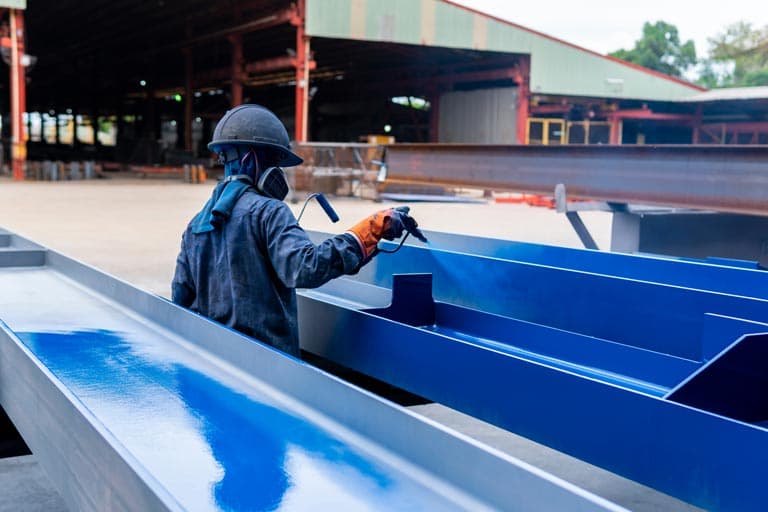
Technical
Specifications.
Commercial Painting Contractors Irving provides specialized high-temperature resistant coating systems for industrial process equipment, exhaust systems, boiler plants, ovens, and thermal process infrastructure throughout Irving's manufacturing and industrial facilities. Our high-temp coating specialists deliver advanced ceramic, silicone, and inorganic systems engineered to protect metal surfaces exposed to extreme heat where conventional coatings would fail catastrophically. We understand that high-temperature environments create unique coating challenges—thermal cycling stress, oxidation acceleration, substrate expansion, and aggressive service conditions requiring specialized formulations maintaining protective and aesthetic properties at elevated temperatures. Serving Irving's food processing facilities, manufacturing plants, power generation equipment, and industrial process operations, we provide comprehensive thermal protection extending equipment life while maintaining required appearance and corrosion protection.
Ceramic high-temperature coating systems to 1200°F
Silicone alkyd coatings for moderate temperatures to 500°F
Inorganic zinc coatings for extreme heat resistance
Exhaust stack and flue coating applications
Boiler and furnace equipment protection
Process oven and heating equipment coating
Thermal cycling resistant formulations
Custom color options for high-temperature applications
Irving
Context.
Based in Irving, we serve the industrial process infrastructure throughout manufacturing districts, food processing facilities with cooking equipment, commercial laundries with steam systems, power generation facilities, and industrial operations with thermal process equipment throughout the greater Irving area. Our high-temp coating expertise addresses the specialized requirements of equipment operating at temperatures where conventional coatings fail within hours or days.
Specify Your Project
Strategic
Advantages.
Extended equipment lifespan through corrosion protection at elevated temperatures
Maintained appearance and identification on high-temperature equipment
Prevented oxidation and scaling reducing equipment deterioration
Enhanced safety through proper coating of hot surfaces
Compliance with safety marking and equipment identification requirements
Reduced maintenance costs avoiding frequent recoating of improperly specified systems
Protected investment in expensive process and thermal equipment
Our Proven
Process.
Equipment temperature assessment and appropriate coating system specification
Surface preparation including removal of scale, oxidation, and failed coatings
Cleaning and degreasing ensuring contaminant-free substrate
Application of high-temperature primer systems when required
Precision coating application achieving specified film thickness
Proper cure procedures potentially including heat curing for optimal properties
Quality verification and documentation of coating system and application
Frequently Asked
Questions.
What temperature can regular paint withstand?
Standard architectural paints fail above 150-200°F—discoloring, blistering, and losing adhesion within days or weeks. Above 200°F, specialized high-temp coatings are mandatory. Temperature requirements determine coating selection: Alkyd enamels to 250°F, silicone alkyd to 500°F, ceramic coatings to 1200°F, and inorganic systems to 2000°F for extreme applications. We assess equipment operating temperatures specifying appropriate systems preventing premature failure from heat exposure.
Can you coat boilers, furnaces, and combustion equipment?
Yes, using appropriate high-temperature systems. Boiler exteriors typically reach 250-400°F requiring silicone or ceramic coatings. Exhaust stacks and flues can exceed 600-800°F demanding ceramic systems. Furnace exteriors vary widely based on insulation. We assess actual surface temperatures using infrared thermometers—not ambient or internal temperatures. Coating selection must have safety margin above maximum operating temperature. Proper specification prevents costly coating failure and need for premature recoating.
Do high-temperature coatings come in colors beyond silver?
Yes, modern high-temp coatings offer color options though selection narrows at extreme temperatures. To 500°F, numerous colors are available including blacks, grays, browns, and some custom options. Above 500°F, silvers, blacks, and earth tones dominate. Above 1000°F, silver and aluminum coatings are standard. Color stability varies—some colors may shift slightly at sustained high temperatures. We provide color samples indicating stability at specified service temperatures ensuring appropriate selection for your aesthetic and functional requirements.
How do you prepare oxidized or scaled equipment surfaces?
High-temperature equipment often develops heavy oxidation or scale requiring aggressive preparation. Methods include wire brushing or grinding removing loose scale, chemical descaling for heavy buildup, abrasive blasting for severely deteriorated surfaces, and degreasing removing oils and combustion residues. Surface must be thoroughly cleaned—contaminants prevent adhesion causing premature coating failure. For equipment in service, preparation occurs during planned shutdowns. Proper preparation is critical—high-temp coatings demand excellent surface preparation for adhesion in demanding thermal environments.
Can high-temp coatings be applied to equipment in service?
Usually no—most high-temp coatings require specific cure temperatures or cannot be applied to hot surfaces. Equipment must be cooled to ambient temperature, properly prepared, coated, and allowed to cure per manufacturer instructions (sometimes including heat-cure cycles). For critical equipment difficult to shutdown, we coordinate work during planned maintenance outages or seasonal low-demand periods. Proper curing is essential for achieving specified high-temperature performance—shortcuts result in coating failure.
Project Lifecycle
Typical deployment timeline for Irving facilities.
Evaluation
Day 1-2Substrate analysis and detailed specification development.
Mobilization
Day 3-5Site protection, equipment setup, and material procurement.
Execution
VariesMulti-layered coating application with phased deployment.
Validation
Final DayQuality audit, walk-through, and site demobilization.
Evaluate
Your Asset.
Whether you possess a single corporate unit or an entire industrial complex, our professional team is prepared to develop your project specifications.