Security Fence & Gate Painting in Irving, TX
Protective coatings for perimeter infrastructure.
Technical
Specifications.
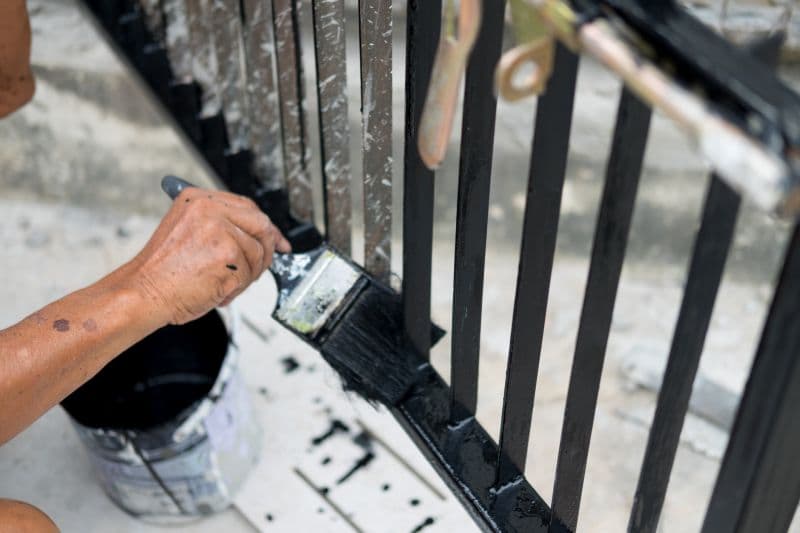
Commercial Painting Contractors Irving provides specialized security fence and gate painting services protecting perimeter infrastructure for commercial, industrial, and institutional facilities throughout Irving and the greater DFW area. Our fence coating specialists bring expertise in corrosion protection systems for chain-link fencing, wrought iron perimeter gates, steel security barriers, and ornamental metal fencing exposed to weathering and environmental degradation. We understand that security fencing represents significant investment requiring protection from rust, UV exposure, and corrosive elements while maintaining aesthetic appearance appropriate for facility branding and community standards. Serving Irving's industrial parks, storage facilities, utility infrastructure, corporate campuses, multi-family properties, and institutional facilities, we deliver durable coating systems that extend fence lifespan, maintain security functionality, and project professional property management through well-maintained perimeter infrastructure.
Chain-link fence framework coating and restoration
Wrought iron and ornamental fence refinishing
Security gate and automated entry system painting
Steel barrier and bollard protective coatings
Rust removal and corrosion-inhibiting primers
Weather-resistant topcoat systems for durability
Custom color matching for branding compliance
Minimal disruption to facility security operations
Irving
Context.
Based in Irving, we serve the extensive perimeter fencing throughout industrial parks along Interstate 635, storage facility security infrastructure, utility substations requiring regulatory-compliant fence coatings, corporate campus ornamental fencing, multi-family property perimeter fences, and institutional facility security barriers. Our crews understand the security considerations of fence coating work—coordinating access with security personnel, maintaining perimeter integrity during coating operations, and working efficiently to minimize any security vulnerability during project execution.
Specify Your Project
Strategic
Advantages.
Extended fence lifespan through superior corrosion protection preventing rust failure
Maintained security functionality preventing weakened components from corrosion
Enhanced property appearance projecting professional management standards
Deferred replacement costs protecting fencing investment through preventive maintenance
Compliance with HOA, municipal, or corporate appearance standards
Improved safety eliminating sharp rust edges and structural weakening
Long-term cost savings compared to premature fence replacement
Our Proven
Process.
Perimeter fence assessment identifying rust damage and coating failures
Power washing or chemical cleaning removing rust, oxidation, and contaminants
Mechanical rust removal using wire brushing, grinding, or spot abrasive methods
Application of rust-inhibiting primer systems with superior metal adhesion
Weather-resistant topcoat application using brush, roller, or spray methods
Attention to gates, hinges, latches, and vulnerable connection points
Final inspection and coordination with facility security restoring full perimeter
Frequently Asked
Questions.
How do you handle security concerns during fence painting?
Security is paramount during perimeter fence coating. We coordinate closely with facility security managers establishing work schedules and access protocols, maintain existing security functionality working in sections, provide temporary barriers when gates or panels must be removed, coordinate with security monitoring services adjusting alarm zones, and accelerate timelines minimizing perimeter security gaps. Most projects proceed with minimal security impact through proper planning and phased execution maintaining facility protection throughout coating operations.
Can badly rusted chain-link fence be restored or must it be replaced?
Many rusted chain-link fences can be restored cost-effectively. Framework (posts, rails, tension bars) is typically the priority—these structural components are expensive to replace and respond well to rust removal and protective coating. Chain-link fabric itself is usually galvanized and rust-resistant, though framework rust can transfer. Severely corroded framework requiring replacement of 30%+ components may justify full fence replacement, but most facilities benefit from coating restoration extending fence life 10-15 years at 20-40% replacement cost.
What coating systems work best for outdoor security fencing?
Security fence coatings must withstand harsh exposure. We recommend direct-to-metal (DTM) acrylic or epoxy primers providing excellent rust inhibition and metal adhesion, followed by acrylic or urethane topcoats offering superior UV resistance, weatherability, and flexibility for thermal expansion. For extremely corrosive environments like coastal areas or industrial facilities with chemical atmospheres, we specify zinc-rich primers and high-performance epoxy systems providing maximum protection. Coating selection considers exposure level, budget, and required lifespan.
How often should commercial security fencing be repainted?
In North Texas climate, properly coated security fencing typically requires recoating every 7-12 years depending on initial coating quality, environmental exposure, and maintenance. Industrial areas with chemical exposure or high pollution may need attention every 5-7 years. Regular inspection every 2-3 years identifies early coating failure before substrate damage occurs, allowing cost-effective touch-ups extending overall system life. Proactive maintenance significantly reduces long-term fence protection costs.
Can you match existing fence colors for partial repairs or additions?
Yes, color matching is common for fence additions or partial restorations. We maintain color matching capabilities and work with facility managers to source original color specifications, use spectrophotometry to match faded existing colors, custom-blend matches when original formulations are unavailable, and coordinate with property managers on color updates if uniform appearance across mismatched sections is desired. For corporate facilities, we ensure colors align with brand standards and existing infrastructure aesthetics.
Do you coat automated gates and entry system components?
Yes, but automated components require special attention. We protect electronic operators, sensors, and access control equipment during coating, coordinate with access control contractors when component removal is preferable, use appropriate masking preventing paint on moving parts and sensors, and verify operational functionality after coating completion. Automated gates represent significant investment and we exercise care preventing coating interference with security system operation while providing comprehensive corrosion protection.
Can ornamental wrought iron fencing be restored to like-new appearance?
Absolutely. Ornamental iron restoration is a specialty service. Process includes complete rust removal using wire brushing, grinding, or chemical conversion, repair of damaged ornamental elements through welding or fabrication coordination, application of rust-inhibiting primers designed for ornamental metal, multiple topcoat layers building protective thickness, and attention to decorative details maintaining architectural character. Results often exceed original appearance, providing both corrosion protection and aesthetic enhancement supporting property value and curb appeal.
Project Lifecycle
Typical deployment timeline for Irving facilities.
Evaluation
Day 1-2Substrate analysis and detailed specification development.
Mobilization
Day 3-5Site protection, equipment setup, and material procurement.
Execution
VariesMulti-layered coating application with phased deployment.
Validation
Final DayQuality audit, walk-through, and site demobilization.
Evaluate
Your Asset.
Whether you possess a single corporate unit or an entire industrial complex, our professional team is prepared to develop your project specifications.