Commercial Waterproofing in Irving, TX
Elastomeric membranes and building envelope seals.
Technical
Specifications.
Commercial Painting Contractors Irving provides comprehensive commercial waterproofing services protecting building envelopes, below-grade structures, roof systems, and vulnerable assemblies from moisture intrusion throughout Irving and the Dallas-Fort Worth area. Our waterproofing specialists deliver elastomeric membrane systems, penetrating sealers, cementitious waterproofing, and liquid-applied moisture barriers engineered to prevent water damage, structural deterioration, and interior moisture problems. We understand that effective waterproofing requires systematic building envelope analysis—identifying moisture entry paths, addressing substrate issues, and implementing layered protection strategies appropriate for Irving's climate and building exposure. Serving commercial building owners facing water damage, property managers implementing preventive maintenance, and new construction requiring comprehensive moisture protection, we provide expert waterproofing solutions protecting valuable building investments.
Elastomeric waterproofing membrane systems
Liquid-applied waterproofing for complex geometries
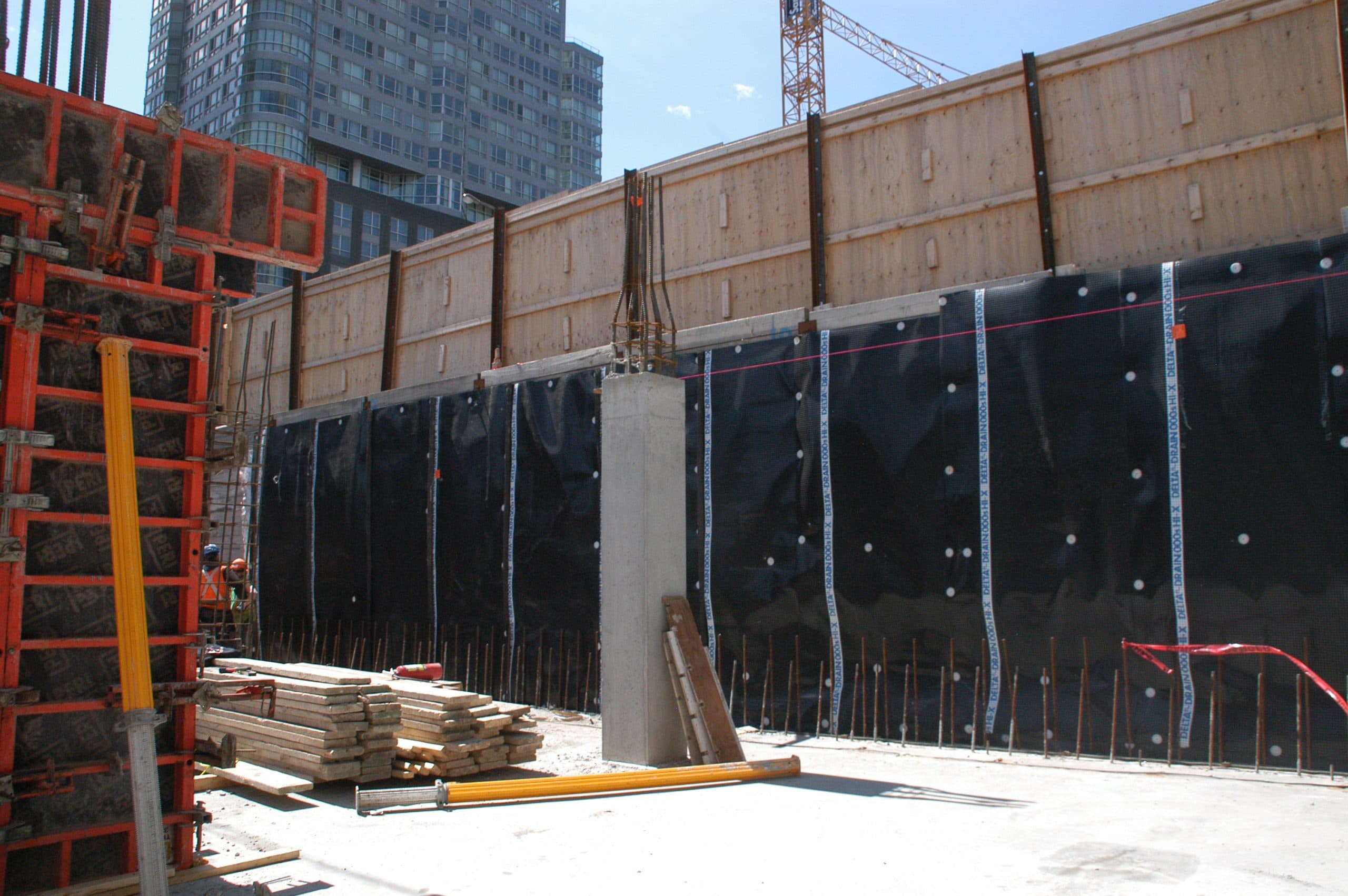
Below-grade foundation waterproofing
Plaza deck and occupied space waterproofing
Balcony and deck waterproofing systems
Leak investigation and moisture source identification
Breathable systems preventing trapped moisture damage
Integration with building envelope and coating systems
Irving
Context.
Based in Irving, we serve the waterproofing requirements throughout Las Colinas commercial buildings, multi-family properties with balcony waterproofing needs, industrial facilities with below-grade moisture issues, retail buildings requiring plaza deck waterproofing, and older commercial structures throughout Irving experiencing moisture intrusion from aging building envelope systems. Our crews understand the moisture challenges specific to North Texas including intense rainfall events, high humidity periods, and the thermal cycling that stresses waterproofing systems.
Specify Your Project
Strategic
Advantages.
Prevented interior water damage protecting contents and interior finishes
Extended building lifespan through proper moisture management
Eliminated mold growth from chronic moisture intrusion
Protected structural integrity preventing moisture-accelerated deterioration
Maintained interior environmental quality and occupant comfort
Preserved property value avoiding deferred maintenance appearance
Reduced long-term costs versus recurring water damage and interior restoration
Our Proven
Process.
Comprehensive moisture investigation identifying entry paths and substrate conditions
Substrate repair addressing damage from previous moisture intrusion
Surface preparation ensuring proper waterproofing adhesion
Primer application on challenging substrates when required
Multi-coat waterproofing system application per manufacturer specifications
Integration with drainage systems and building envelope components
Water testing verification confirming watertight assembly
Frequently Asked
Questions.
What's the difference between waterproofing and water-resistant coatings?
Waterproofing systems are engineered to prevent any water penetration—even under hydrostatic pressure. They bridge cracks, accommodate movement, and create complete moisture barriers. Water-resistant coatings reduce water penetration but aren't designed for complete impermeability. Waterproofing is critical for below-grade applications, occupied spaces, plazas, and horizontal surfaces. Vertical walls above grade often use water-resistant breathable systems allowing vapor transmission. We specify appropriate systems based on exposure, consequences of failure, and substrate conditions.
Can existing leaks be stopped with waterproofing systems?
Yes, when properly diagnosed and addressed. We investigate leak sources using water testing, infrared scanning, or other diagnostic methods, address underlying substrate damage or drainage issues causing leaks, and implement appropriate waterproofing systems for the specific condition. However, waterproofing alone can't solve fundamental problems like structural cracks, failed drainage systems, or building design flaws causing chronic moisture issues. Comprehensive approach addressing root causes plus waterproofing provides lasting solutions.
How long do commercial waterproofing systems last?
Properly applied waterproofing typically lasts 15-25 years depending on system type, exposure, and substrate movement. Elastomeric membranes average 15-20 years. Liquid-applied systems often achieve 20-25 years. Below-grade waterproofing can last building lifetime when protected from physical damage. Horizontal surfaces like plaza decks experiencing traffic and UV exposure may require attention in 12-18 years. Regular inspection identifies early failure before water intrusion causes damage allowing cost-effective repairs extending overall system life.
Can waterproofing be applied to existing occupied buildings?
Yes, most waterproofing applications occur in occupied buildings. Exterior waterproofing proceeds without interior access—some systems can apply during light rain. Interior waterproofing of basement walls or mechanical rooms requires space access but doesn't disrupt broader building operations. Balcony and plaza deck waterproofing may require temporary closure of specific areas. We coordinate with building management and tenants minimizing disruption while addressing critical moisture protection needs.
Do you handle below-grade waterproofing for foundation issues?
Yes, though below-grade waterproofing approaches vary based on access and conditions. Exterior excavation and waterproofing provides optimal protection but is expensive and disruptive. Interior waterproofing and drainage systems address moisture from inside—less ideal but often effective and cost-efficient. We assess moisture extent, evaluate building configuration, and recommend most cost-effective approach. Many Irving buildings benefit from interior waterproofing with drainage management avoiding expensive excavation while controlling basement moisture.
Project Lifecycle
Typical deployment timeline for Irving facilities.
Evaluation
Day 1-2Substrate analysis and detailed specification development.
Mobilization
Day 3-5Site protection, equipment setup, and material procurement.
Execution
VariesMulti-layered coating application with phased deployment.
Validation
Final DayQuality audit, walk-through, and site demobilization.
Evaluate
Your Asset.
Whether you possess a single corporate unit or an entire industrial complex, our professional team is prepared to develop your project specifications.