Sandblasting & Surface Prep in Irving, TX
Industrial-grade abrasive blasting and cleaning.
Technical
Specifications.
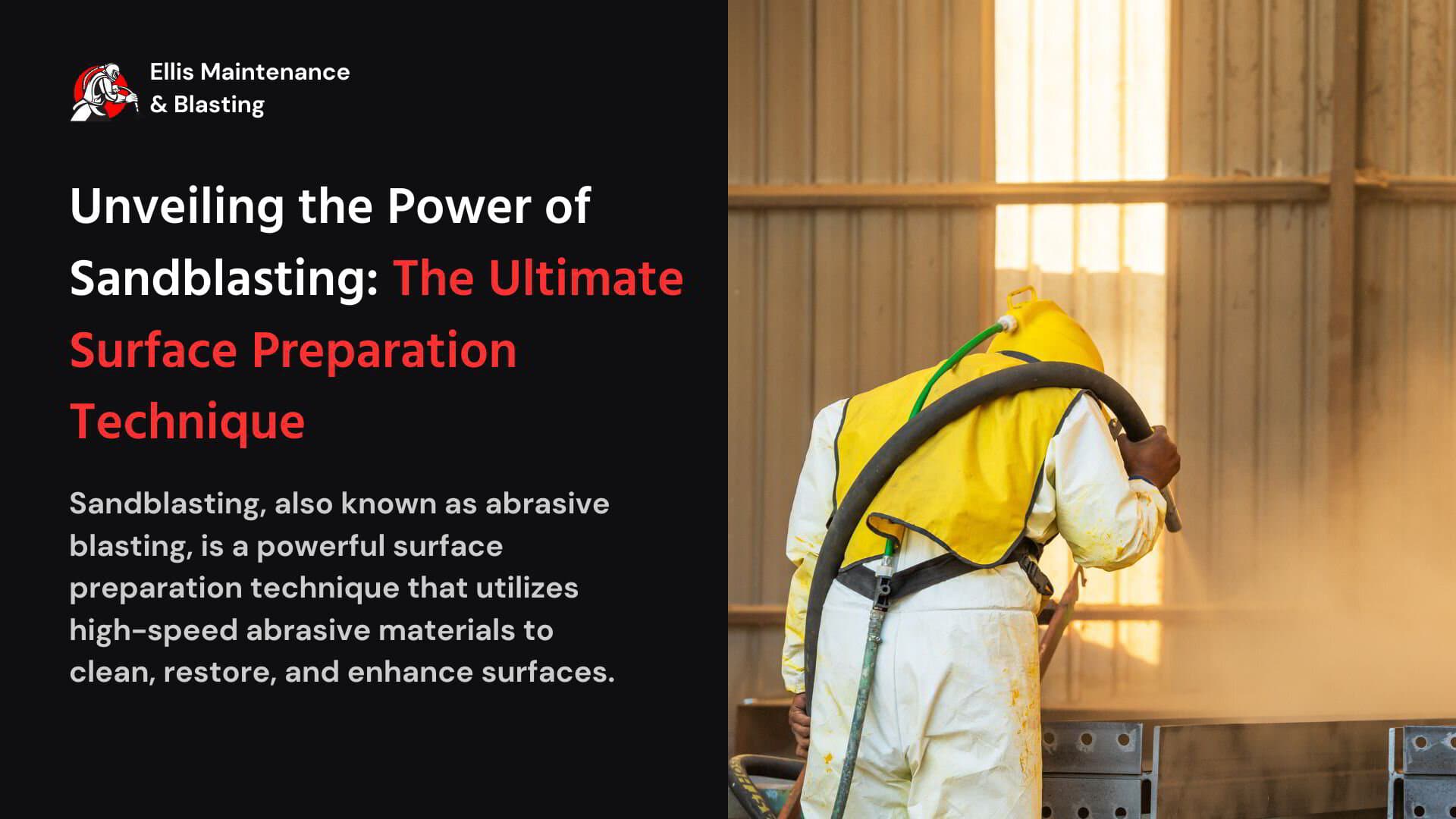
Commercial Painting Contractors Irving provides comprehensive sandblasting and abrasive surface preparation services for commercial, industrial, and institutional facilities requiring aggressive cleaning, coating removal, or surface profiling throughout the Dallas-Fort Worth industrial corridor. Our surface preparation specialists bring industrial-grade blasting equipment and technical expertise in various abrasive media achieving surface cleanliness levels from SSPC-SP 6 (commercial blast) to SP 10 (near-white metal) required for high-performance coating systems. We understand that proper surface preparation is the foundation of coating longevity—inadequate preparation causes 80% of coating failures regardless of material quality or application skill. Serving Irving's manufacturing facilities, warehouses, steel structures, and concrete infrastructure, we deliver professional abrasive blasting that removes rust, failed coatings, contaminants, and creates optimal surface profiles ensuring new coatings achieve maximum adhesion and service life.
Multiple abrasive media for different applications
SSPC and NACE surface preparation standards
Steel surface profiling for coating adhesion
Concrete surface preparation and profiling
Graffiti and coating removal from masonry
Containment and dust collection systems
Mobile blasting equipment for on-site service
Environmental compliance and waste disposal
Irving
Context.
Operating from our Irving base, we serve the concentrated industrial activity throughout the DFW Airport manufacturing corridor, warehouse districts along Interstate 635, steel fabrication facilities, and infrastructure projects requiring surface preparation throughout North Texas. Our mobile blasting equipment enables on-site service at client facilities, while our containment capabilities allow work in occupied buildings and urban environments where environmental controls are critical. We navigate Irving's industrial landscape with expertise in the diverse substrates and coating systems common to commercial and industrial facilities.
Specify Your Project
Strategic
Advantages.
Maximum coating adhesion and longevity through proper surface preparation
Removed contamination preventing premature coating failure and substrate damage
Achieved surface profiles optimizing mechanical bonding of protective coatings
Eliminated failed coatings and rust extending structural component lifespan
Compliance with coating manufacturer specifications ensuring warranty validity
Cost-effective substrate restoration compared to component replacement
Versatile applications from delicate surfaces to heavy industrial cleaning
Our Proven
Process.
Surface assessment determining contamination type, substrate, and required cleanliness
Abrasive media selection based on substrate, required profile, and coating system
Containment establishment preventing environmental impact and adjacent area contamination
Systematic blasting achieving specified SSPC or NACE cleanliness standards
Surface profile verification using comparators or profilometers
Immediate coating application or surface protection preventing flash rusting
Waste collection and environmental disposal per regulatory requirements
Frequently Asked
Questions.
What surfaces can be sandblasted in commercial applications?
We blast diverse substrates including structural steel removing rust and coatings, concrete preparing for coating or overlays, brick and masonry removing paint or graffiti, metal equipment and tanks for corrosion removal, wood surfaces requiring aggressive cleaning, and aluminum or stainless steel with appropriate non-ferrous abrasives. Each substrate requires specific abrasive media and pressure settings—improper blasting can warp metal, damage concrete, or embed contaminants. Our experience ensures appropriate techniques for each surface type.
What's the difference between various SSPC surface preparation standards?
SSPC standards define surface cleanliness levels: SP 1 (solvent cleaning) removes oils and grease only. SP 2 (hand tool cleaning) removes loose rust and coatings. SP 3 (power tool cleaning) is more aggressive hand tool cleaning. SP 6 (commercial blast) removes most rust and coatings leaving some staining. SP 10 (near-white blast) removes 95%+ contamination showing minimal staining. SP 5 (white metal blast) removes essentially all contamination. Required standard depends on coating system—high-performance coatings demand SP 10 or SP 5, standard systems allow SP 6.
Can you sandblast in occupied Irving facilities?
Yes, with proper containment. We establish negative air pressure enclosures preventing dust migration, use HEPA-filtered vacuum systems collecting airborne dust, implement comprehensive barriers protecting adjacent areas and operations, coordinate with facility managers around operational schedules, and use appropriate abrasive media minimizing health hazards. Occupied facility blasting requires specialized equipment and procedures—we've completed numerous projects in active manufacturing plants, warehouses, and commercial buildings without disrupting operations.
What abrasive media do you use for different applications?
Media selection depends on substrate and objectives: Silica sand (traditional but increasingly regulated), coal slag for heavy rust and coating removal, garnet for moderate cleaning with lower dust, aluminum oxide for aggressive cleaning and profiling, glass beads for delicate surfaces and light cleaning, baking soda for sensitive substrates requiring gentle cleaning, and steel grit/shot for steel surface profiling. We select media optimizing cleaning effectiveness while minimizing substrate damage and environmental impact.
How does surface profile affect coating performance?
Surface profile (surface roughness after blasting) is critical for coating adhesion. Too smooth and coatings lack mechanical bonding. Too rough and coating thickness becomes inconsistent leaving peaks exposed. Most coating manufacturers specify target profiles typically 1-3 mils for industrial systems. We verify profile using surface comparators or profilometers ensuring proper roughness. Achieving specified profile requires appropriate abrasive selection and blasting technique—it's why professional surface preparation matters for coating longevity.
Do you handle environmental disposal of blasting waste?
Absolutely. Blasting waste disposal is regulated—particularly when removing lead-based coatings or using certain abrasive media. We collect spent abrasive and contamination, characterize waste determining disposal requirements, and arrange proper disposal through licensed facilities when hazardous. For non-hazardous waste, we use approved solid waste disposal. Environmental compliance is standard practice—improper disposal creates serious liability. Documentation is provided for your records.
Can surface preparation be performed for concrete floors before coating?
Yes, concrete floor preparation is a primary application. Shot blasting, scarification, or diamond grinding create surface profiles for epoxy coating adhesion. These methods open concrete pores allowing coating penetration, remove surface laitance and contaminants, and create mechanical profile for optimal bonding. Dust collection systems maintain clean working environments. Proper concrete preparation is absolutely critical for floor coating success—it's the difference between coatings lasting 2 years versus 15+ years.
Project Lifecycle
Typical deployment timeline for Irving facilities.
Evaluation
Day 1-2Substrate analysis and detailed specification development.
Mobilization
Day 3-5Site protection, equipment setup, and material procurement.
Execution
VariesMulti-layered coating application with phased deployment.
Validation
Final DayQuality audit, walk-through, and site demobilization.
Evaluate
Your Asset.
Whether you possess a single corporate unit or an entire industrial complex, our professional team is prepared to develop your project specifications.